
6 Signs Your Auto Leather Seats Need Cleaning and Conditioning
Your vehicle’s interior plays a major role in both comfort and overall value, and auto leather seats require consistent care to stay in top condition. While leather is known for its durability and luxurious feel, it still shows signs of wear when neglected. Recognizing early warning signs can help you take action before damage becomes permanent. With proper attention, your seats can remain smooth, clean, and visually appealing for years.
1. Visible Stains and Spills
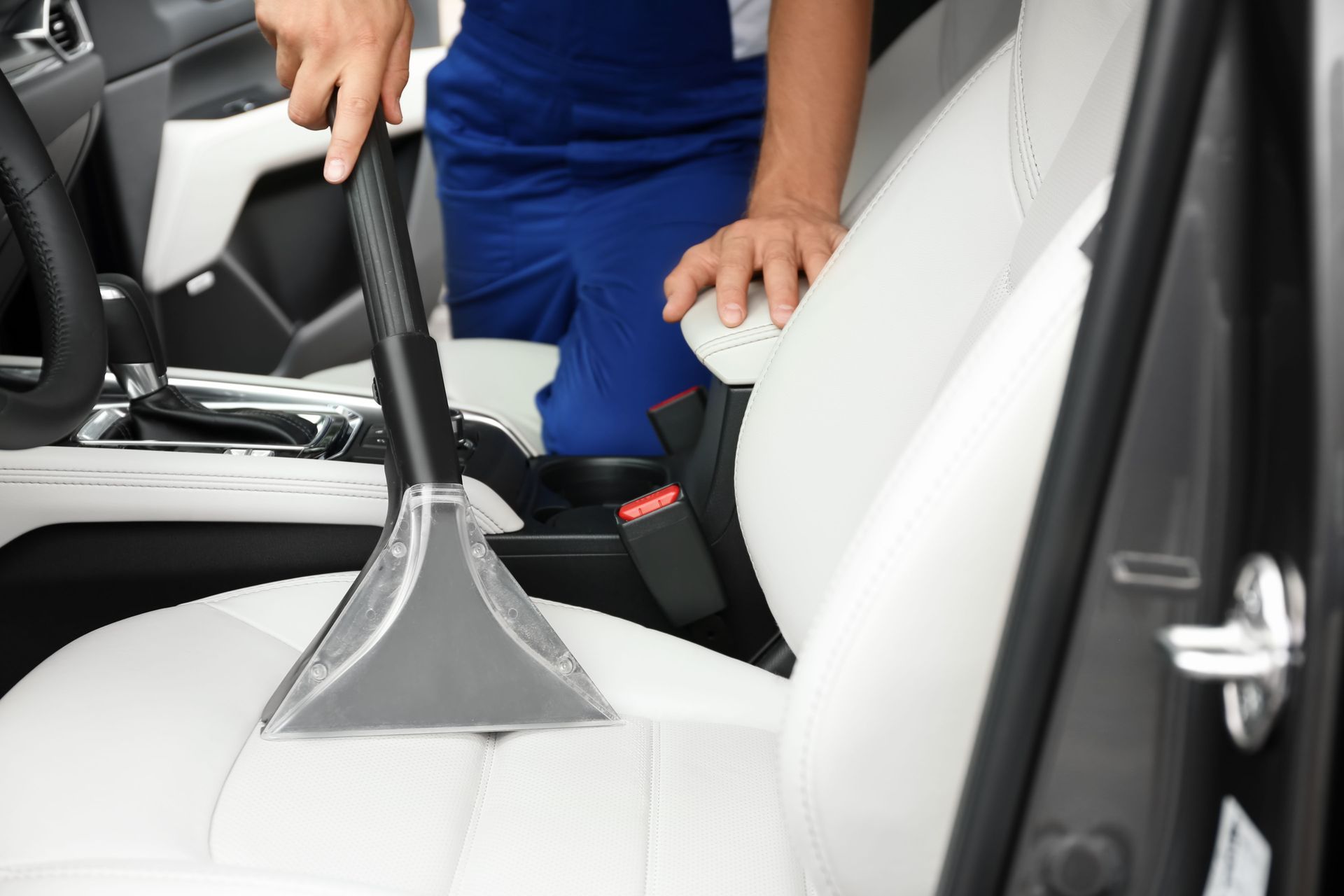
Visible stains and spills are among the most obvious indicators that your auto leather seats need immediate care. Every day use exposes your seats to food, beverages, makeup, and other substances that can quickly seep into the leather. If not addressed promptly, these contaminants can lead to permanent discoloration and unpleasant odors. Acting quickly helps preserve both the appearance and integrity of the material.
Different types of stains require different cleaning approaches. For example:
- Organic stains like food and drinks may need gentle cleaners
- Ink stains often require specialized removal products
- Oil-based stains may need degreasers designed for leather
Understanding the source of the stain ensures that you apply the correct treatment method. Always test any cleaning product on a small, hidden area before applying it to a visible section.
After removing stains, conditioning is essential to protect the leather. According to Liberty Leather Goods, maintaining a routine of cleaning and conditioning every four months helps extend the lifespan of leather surfaces. Conditioning creates a protective barrier that reduces future stain absorption and keeps the material soft. By addressing stains early and following up with proper care, you can maintain the luxurious look of your seats.
2. Discoloration and Fading
Discoloration and fading are clear signs that your auto leather seats are being affected by environmental exposure. Prolonged sunlight, especially ultraviolet rays, can cause leather to lose its original color and vibrancy. Over time, darker shades may appear dull, uneven, or washed out, diminishing the overall aesthetic of your vehicle’s interior.
If your car is frequently parked outdoors, the risk of fading increases significantly. To minimize damage, consider the following protective measures:
- Use sunshades on the windshield
- Install window tinting to reduce UV exposure
- Park in shaded or covered areas whenever possible
In addition to prevention, restoration products can help revive faded leather. Specialized conditioners and color-restoring treatments are designed to bring back the original richness of the material. Regular cleaning also removes surface contaminants that may contribute to uneven coloring.
Consistent maintenance not only restores appearance but also protects against further fading. Incorporating UV-protectant products into your routine can significantly extend the life of your leather interior. With proper care, your seats can retain their original elegance and depth of color.
3. Dryness and Cracking
Dryness and cracking indicate that your auto leather seats are lacking essential moisture and oils. Leather naturally contains oils that keep it flexible and smooth. When these oils are depleted, the material becomes brittle, leading to cracks that can worsen over time.
Several factors contribute to dryness, including:
- Low humidity levels
- Excessive heat exposure
- Overuse of harsh cleaning products
These conditions strip away natural oils and accelerate deterioration. The key to preventing damage is maintaining a balance between cleaning and conditioning. While cleaning removes dirt and buildup, conditioning restores hydration and elasticity.
According to Liberty Leather Goods, routine conditioning every four months helps maintain leather’s health and prevent cracking. Applying a high-quality conditioner replenishes lost oils and strengthens the material’s structure. Over time, properly maintained leather becomes more resistant to wear and environmental stress.
Regular inspections can help you catch early signs of dryness before cracks develop. Addressing the issue early ensures that your seats remain smooth, comfortable, and structurally sound.
4. Unpleasant Odors
Unpleasant odors coming from your seats are a strong indication that your auto leather requires cleaning. Leather is a porous material, meaning it can absorb sweat, spills, smoke, and environmental pollutants. Over time, these substances can create persistent and unpleasant smells within your vehicle.
Moisture is one of the primary causes of odor buildup. Whether from humidity or accidental spills, moisture creates an environment where bacteria can thrive. This not only worsens odors but can also contribute to long-term damage if not addressed.
To eliminate odors effectively:
- Clean the leather thoroughly using a proper leather cleaner
- Allow the seats to dry completely
- Apply a conditioner to seal and protect the surface
Conditioning plays an important role in odor prevention by creating a barrier against moisture and contaminants. As noted earlier, maintaining a cleaning and conditioning routine every four months helps preserve both the condition and freshness of leather surfaces.
By staying consistent with care, you can ensure that your vehicle’s interior remains clean, fresh, and inviting for every drive.
5. Surface Texture Changes
Changes in surface texture are another sign that your auto leather seats need attention. Leather should feel smooth and supple, but over time it may become rough, sticky, or uneven. These changes often result from dirt buildup, residue from cleaning products, or prolonged exposure to harsh conditions.
Ignoring texture changes can lead to further deterioration. Fortunately, proper care can restore the original feel of the leather. Effective maintenance includes:
- Using a soft cloth or brush to remove dirt
- Applying a gentle leather cleaner
- Following up with a high-quality conditioner
Cleaning removes contaminants that affect texture, while conditioning restores softness and flexibility. Regular care prevents buildup and ensures that your seats remain comfortable and visually appealing.
Monitoring how your seats feel is just as important as how they look. By addressing texture changes early, you can avoid long-term damage and maintain a premium driving experience.
6. Loss of Flexibility and Suppleness
When leather loses its flexibility, it becomes stiff and less comfortable. This is a clear sign that your auto leather seats need conditioning. Without proper care, leather fibers dry out and lose their ability to bend and adapt, leading to discomfort and potential cracking.
Heat and sun exposure are common contributors to stiffness. When combined with infrequent maintenance, these factors accelerate the breakdown of the leather’s structure. Over time, this results in a rigid and worn appearance that detracts from the overall quality of your interior.
Restoring flexibility involves consistent conditioning and protective measures. A proper routine should include:
- Conditioning every few months
- Avoiding prolonged exposure to direct sunlight
- Using protective covers when necessary
High-quality conditioners penetrate deep into the leather, restoring elasticity and resilience. This not only improves comfort but also extends the life of your seats.
Additionally, maintaining a consistent cleaning schedule prevents buildup that can stiffen the leather over time. Paying attention to early warning signs allows you to take corrective action before the damage becomes severe or irreversible.
By taking a proactive approach, you can preserve the softness and durability that make leather interiors so desirable.
Maintaining your auto leather seats is essential for preserving both comfort and value. By paying attention to signs like stains, fading, dryness, odors, texture changes, and stiffness, you can address issues before they become costly problems. A consistent routine of cleaning and conditioning helps protect your investment and keeps your interior looking refined. If your seats are showing any of these signs, trust The Interior Guys to restore and protect your auto leather with professional care.



Share On: