
Car Upholstery Trends That Improve Vehicle Value
In the world of automotive design, enhancing vehicle value goes beyond mere mechanics; aesthetics play a crucial role. One significant aspect of this is car upholstery, a key element that can substantially affect a car's market appeal. This article explores the latest trends in car upholstery that are gaining popularity and their impact on vehicle value. With the increasing emphasis on innovation and sustainability, drivers are seeking materials that cater to both style and environmental consciousness.
1. What are the latest materials used in car upholstery?
1.1 Leather Alternatives
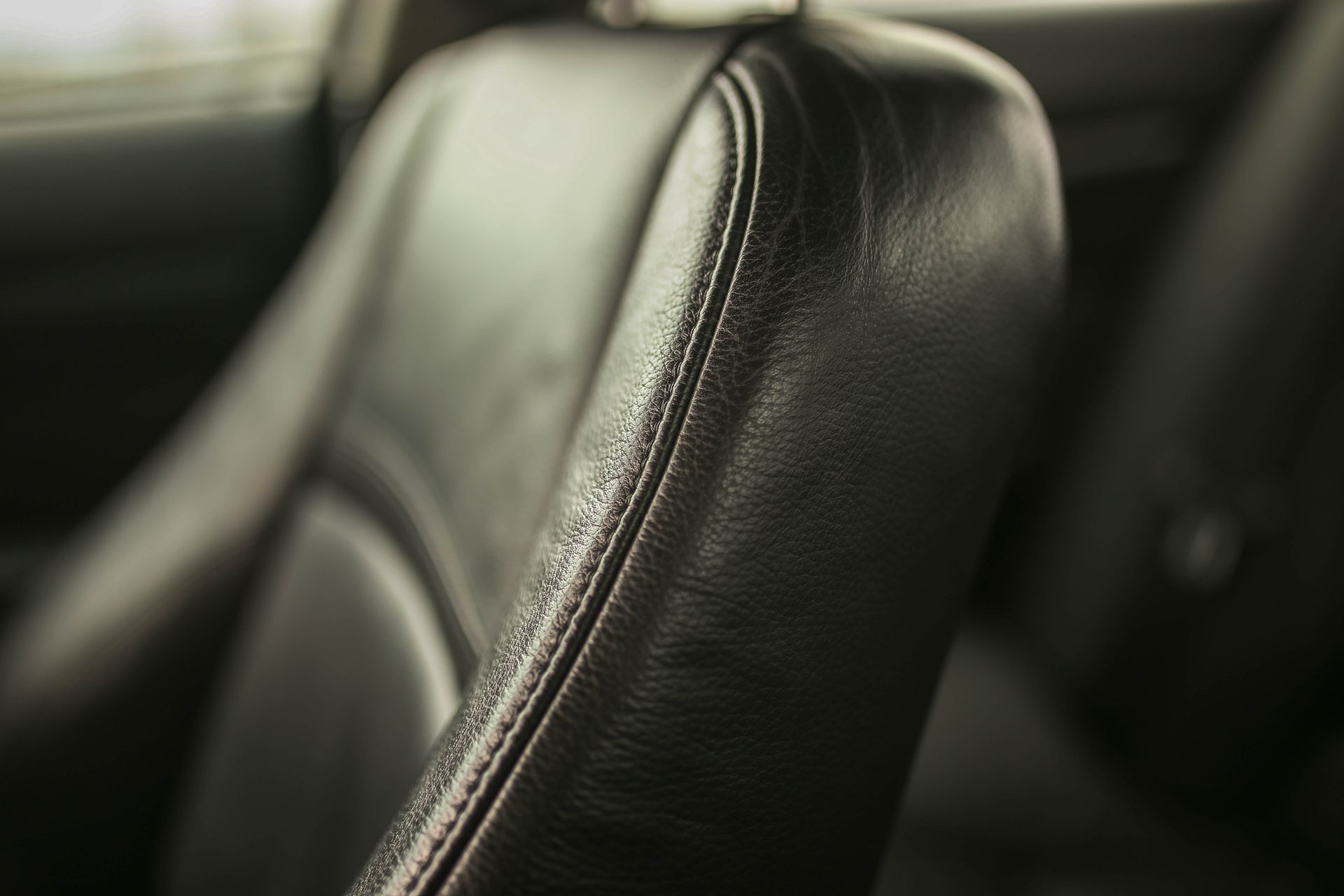
The shift away from traditional leather towards sustainable alternatives is a growing trend in car upholstery. Vegan leather, crafted from polyurethane or other plant-based materials, offers a cruelty-free option without compromising on quality. These alternatives not only reduce the environmental footprint but often come with lower production costs, making them even more appealing. As consumers become more environmentally conscious, the demand for leather alternatives continues to rise.
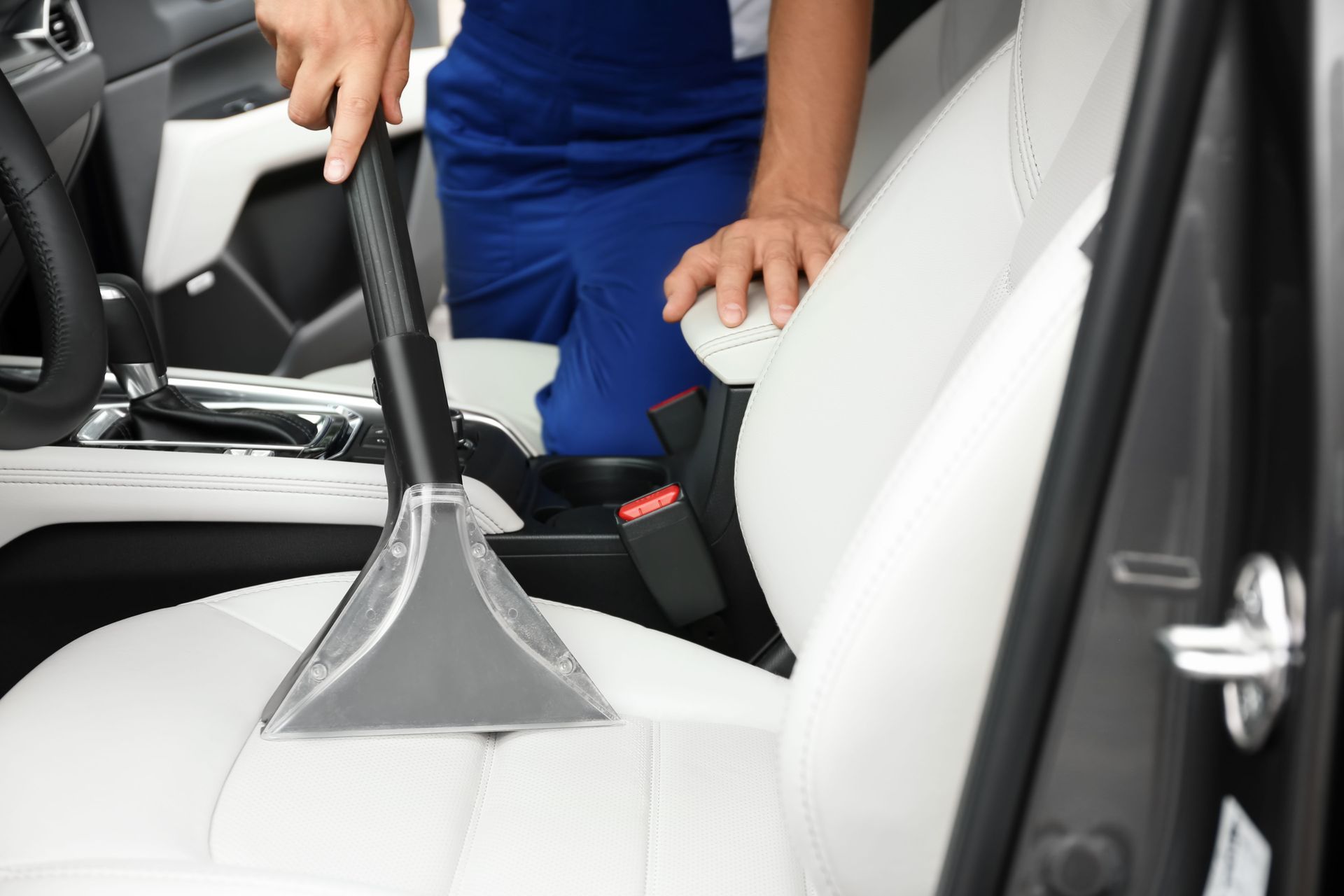
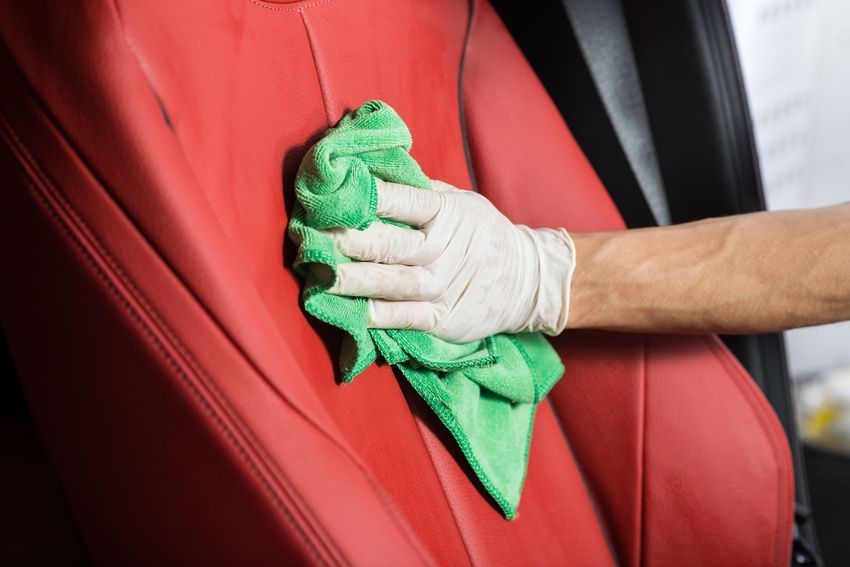
Furthermore, leather alternatives can provide the luxurious feel of natural leather while being easier to clean and maintain. This innovation meets the high demand for performance alongside ecological responsibility. Brands like Tesla and BMW have already embraced this trend, incorporating these materials into their vehicle interiors. The focus on sustainability aligns well with the values of modern consumers who prioritize ethical consumption.
Despite the shift, these alternatives are designed to be as durable and aesthetically pleasing as traditional leather. Advanced technology in manufacturing techniques has contributed to the high quality of these materials. The growing preference for leather alternatives reflects a broader trend toward sustainability in the auto industry. This increasing trend is supported by market data, which shows a 3.5% annual growth in the auto upholstery industry over the past five years according to IBISWorld.
1.2 Fabric Innovations
In recent years, the fabrics used in car upholstery have seen significant advancements. These new materials focus on enhancing durability, comfort, and aesthetics. Technologically advanced textiles are being introduced, which offer stain resistance and increased longevity. Many car manufacturers now invest heavily in developing proprietary fabrics that meet consumer needs for both function and comfort.
Moreover, these fabrics are designed to combat wear and tear, which prolongs the vehicle's interior life span. Smart textiles that adapt to temperature changes or those with embedded sensors for health monitoring represent the cutting edge of this innovation. As car upholstery becomes more advanced, the integration of comfort-enhancing features like active ventilation and anti-microbial properties is becoming more common. Such enhancements contribute significantly to the car's overall user experience.
The allure of innovative fabrics is not restricted to premium vehicles; budget models also benefit from these advancements. Offering a range of fabric choices allows auto manufacturers to cater to a broader customer base. By incorporating novel textiles, car makers can differentiate their offerings from competitors, adding to the vehicle's perceived value. As the auto upholstery market expands, these innovations are setting new standards for what consumers can expect from their vehicle interiors.
2. How does car upholstery impact the resale value of a vehicle?
2.1 Interior Aesthetics
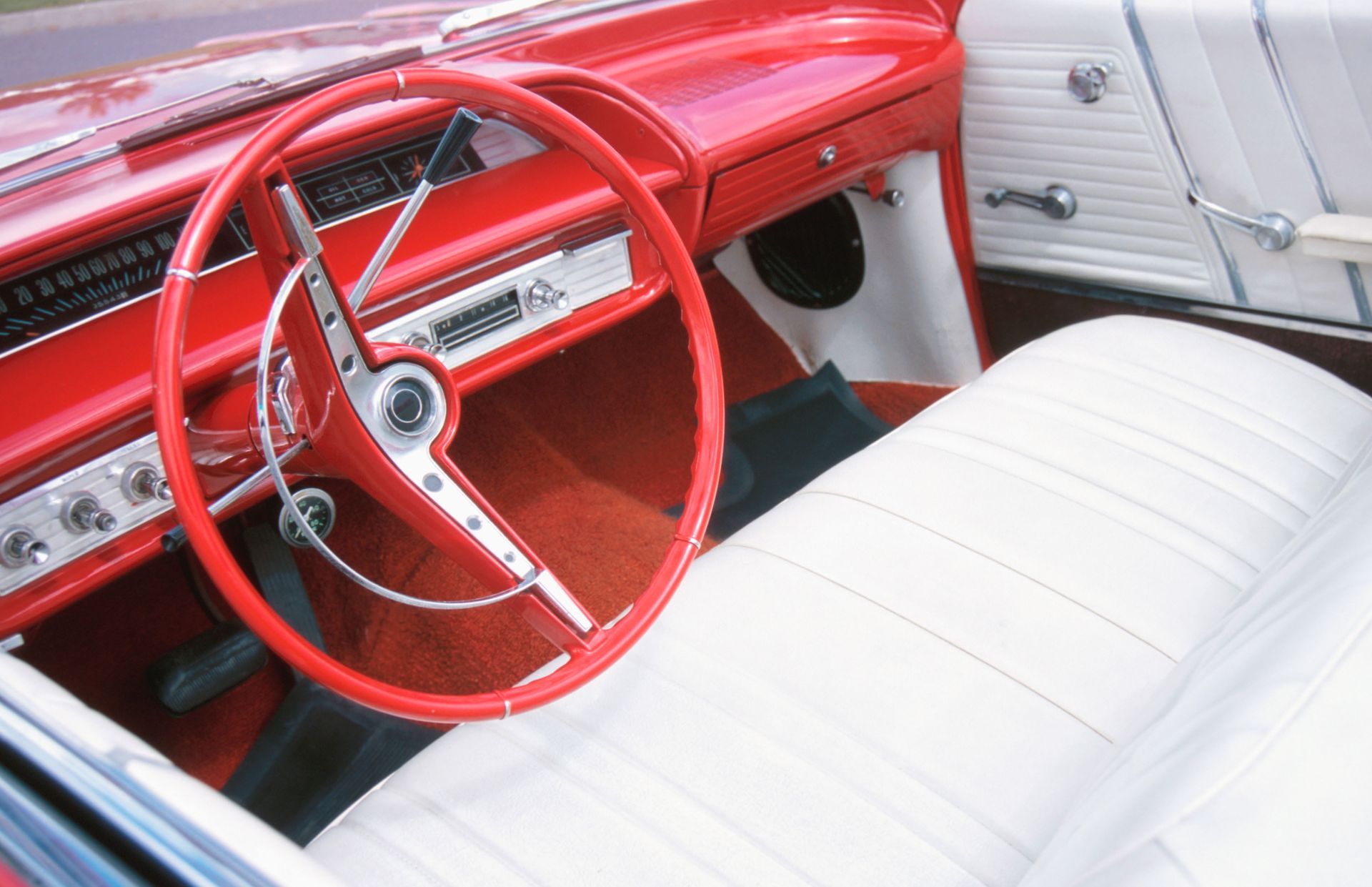
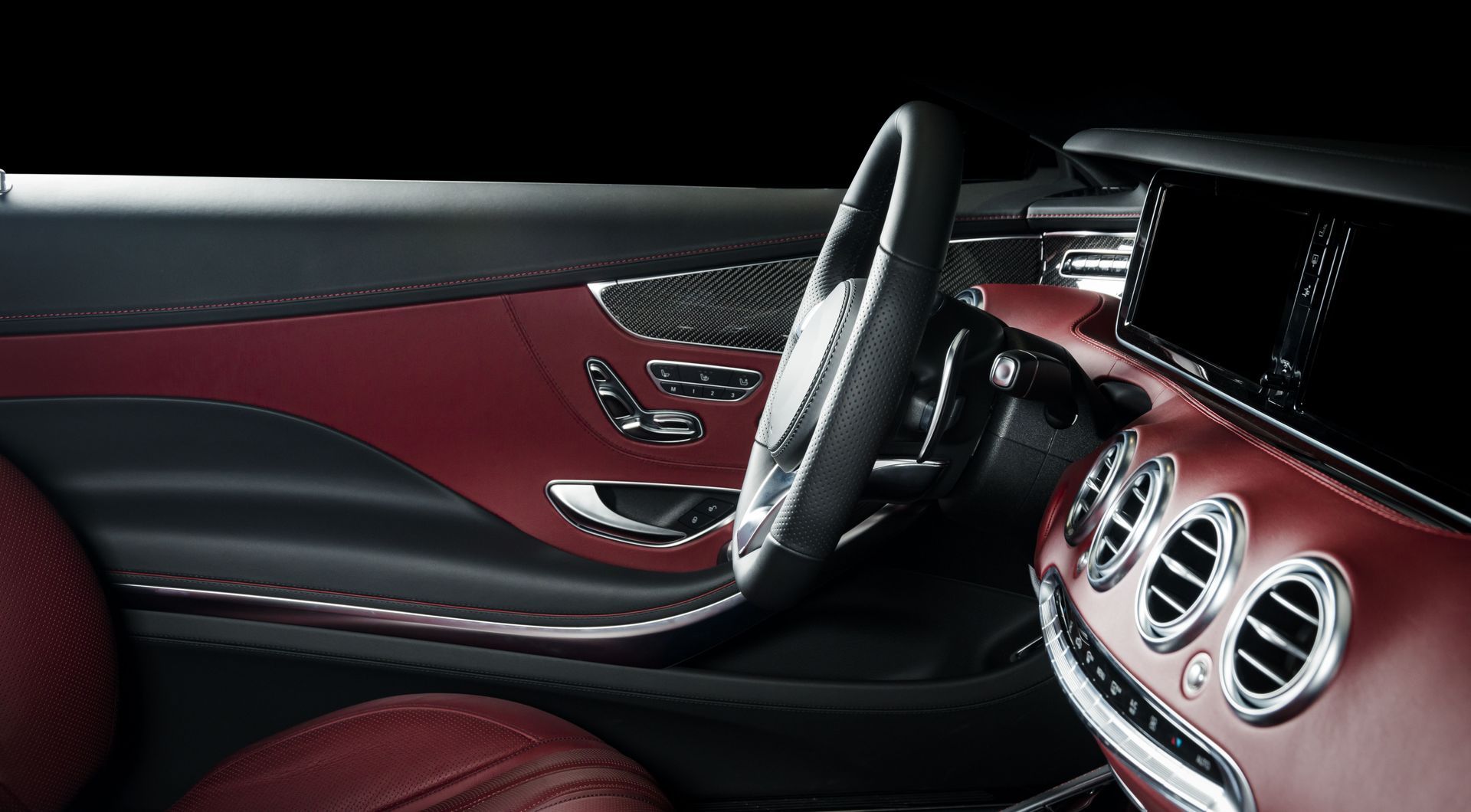
The aesthetic appeal of a car’s interior significantly contributes to its resale value. Attractive upholstery can impart a sense of luxury, drawing potential buyers and potentially increasing the market price. From sleek designs to coordinated color palettes, the interiors play a key role in leaving a lasting impression. Consumers often view well-kept interiors as indicative of a meticulously maintained vehicle.
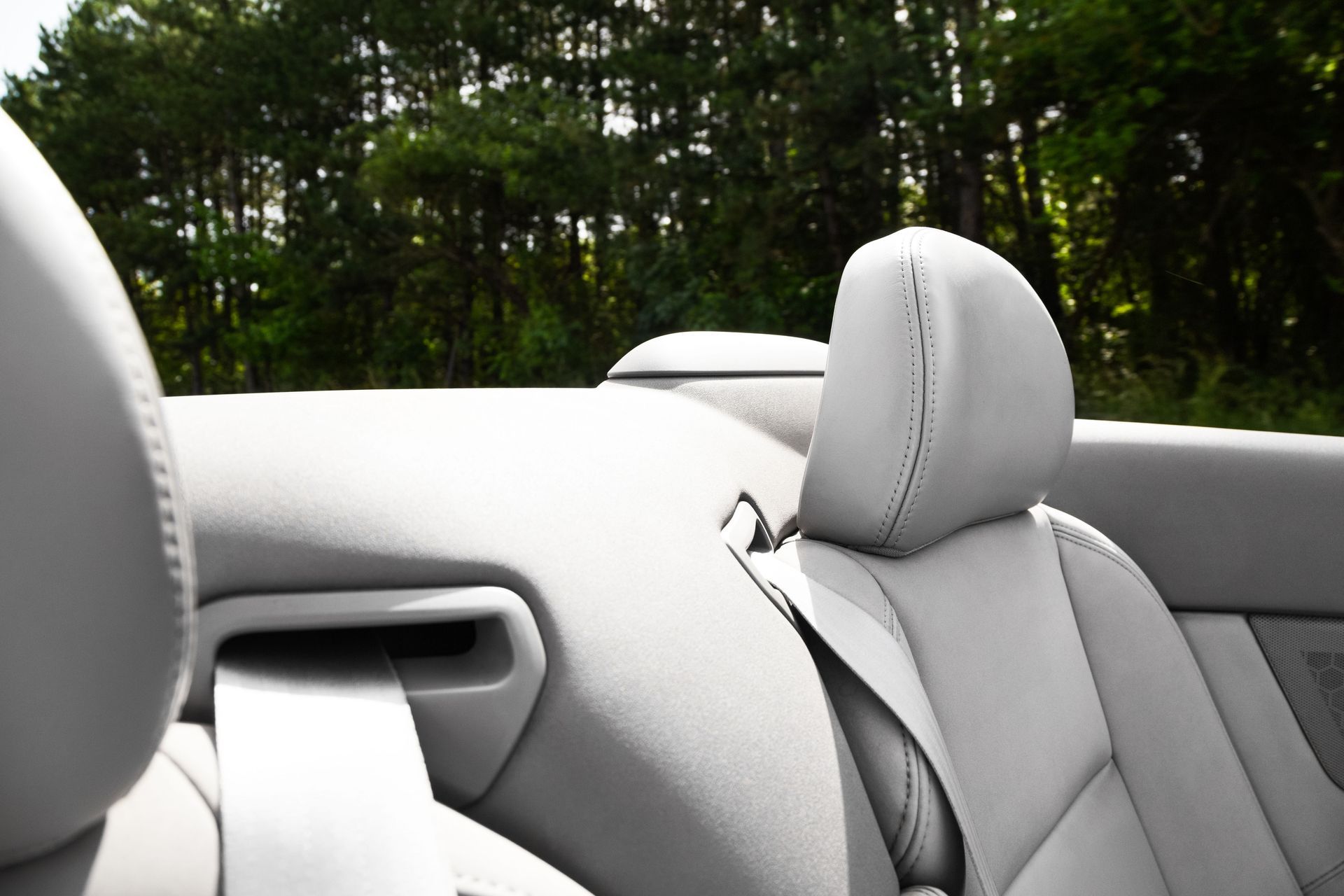
In addition to aesthetics, interior design also influences the perception of quality. Tactile elements like textured fabrics or soft-touch materials enhance the interior's premium feel. As such, car manufacturers often place a strong emphasis on the selection of upholstery materials that not only look good but also feel good. This emphasis on aesthetic design aligns closely with consumer expectations, thereby aiding in positive resale evaluations.
Carefully selected materials can also convey a brand’s identity or enhance the overall driving experience. A well-designed interior provides a sense of exclusivity that matches the car’s branding and technological offerings. This combination of beauty and functionality directly impacts buyers’ willingness to pay a higher price at resale. As demonstrated by industry trends, stylish and well-maintained interiors are a significant determinant of resale success.
2.2 Material Longevity
The longevity of upholstery materials is another critical factor influencing a car’s resale value. Durable materials that maintain their appearance and function over time receive higher evaluations from potential buyers. As technology improves, materials increasingly offer enhanced resistance to elements like wear, stains, and UV exposure. This durability is essential for maintaining value over the lifetime of the vehicle.
Furthermore, buyers are often willing to pay more for vehicles with interiors that show minimal signs of aging. Continuously innovating with new materials that offer superior longevity gives manufacturers a competitive edge. These materials are often tested under extreme conditions to ensure resilience. This testing process is crucial in ensuring that materials will uphold their quality throughout the vehicle's lifespan.
Because the interior of a car is frequently exposed to stress from passengers and environmental factors, resilient upholstery is indispensable. High-quality, long-lasting materials assure buyers that they are investing in a vehicle that will stand the test of time. This assurance can justify a premium price on the resale market. Hence, material longevity remains a fundamental consideration for car manufacturers aiming to maximize vehicle resale value.
3. Are there economical car upholstery trends that still boost vehicle value?
3.1 Budget-friendly Fabrics
Cost-effective materials for car upholstery can add value without breaking the budget. Manufacturers are now offering fabrics that are economical yet retain high levels of durability and style. Such materials cater to cost-conscious consumers looking to maximize value without compromising on aesthetics. This approach is particularly appealing to budget vehicle segments where price sensitivity is paramount.
Indeed, some budget-friendly fabrics mimic the characteristics of more expensive options, providing a sense of luxury at a fraction of the cost. The increased access to a wide range of textures and styles in affordable fabrics allows consumers to express individuality within budget constraints. This development marks a shift from the assumption that higher expense correlates with better quality or value. Practicality and style can coexist effectively through these economically viable materials.
Incorporating budget-friendly fabrics contributes not only to initial affordability but also to potential resale attractiveness. As these materials become synonymous with durability and aesthetic appeal, they enhance the market value of the vehicle. By offering attractive, durable interiors at lower costs, manufacturers increase accessibility while fostering consumer loyalty. Consequently, the adoption of budget-friendly options is a strategic move in today’s auto market.
3.2 Vinyl Alternatives
Vinyl has long been a staple in affordable car upholstery, serving as a cost-effective and durable option. Modern vinyl alternatives have surpassed traditional materials by offering enhanced aesthetic and functional qualities. These innovative options replicating leather textures provide a luxurious feel without the associated high costs. Manufacturers are capitalizing on the benefits of vinyl alternatives to appeal to a broad range of consumers.
One of the primary advantages of vinyl is its excellent durability and resistance to wear, which is ideal for high-traffic areas in cars. Providing an easy-to-clean surface, vinyl also meets consumer demands for low-maintenance designs. With technological advancements, vinyl is now available in numerous colors and finishes, allowing for a high degree of customization. By delivering both resilience and versatility, vinyl remains a highly competitive choice in car upholstery.
Choosing the right type of upholstery can significantly influence both the aesthetic and resale value of a vehicle. From economical to luxury options, the trends in car upholstery are constantly evolving to meet the demands of drivers who seek both style and functionality. Understanding these trends can help car owners and buyers make informed decisions that boost vehicle value while enhancing the driving experience. As the popularity of advanced materials and innovative designs grows, so does the market for refined auto interiors, reflecting a new era of vehicular aesthetics and value considerations. Reach out to The Interior Guys today to see how we can help you!

Share On: